


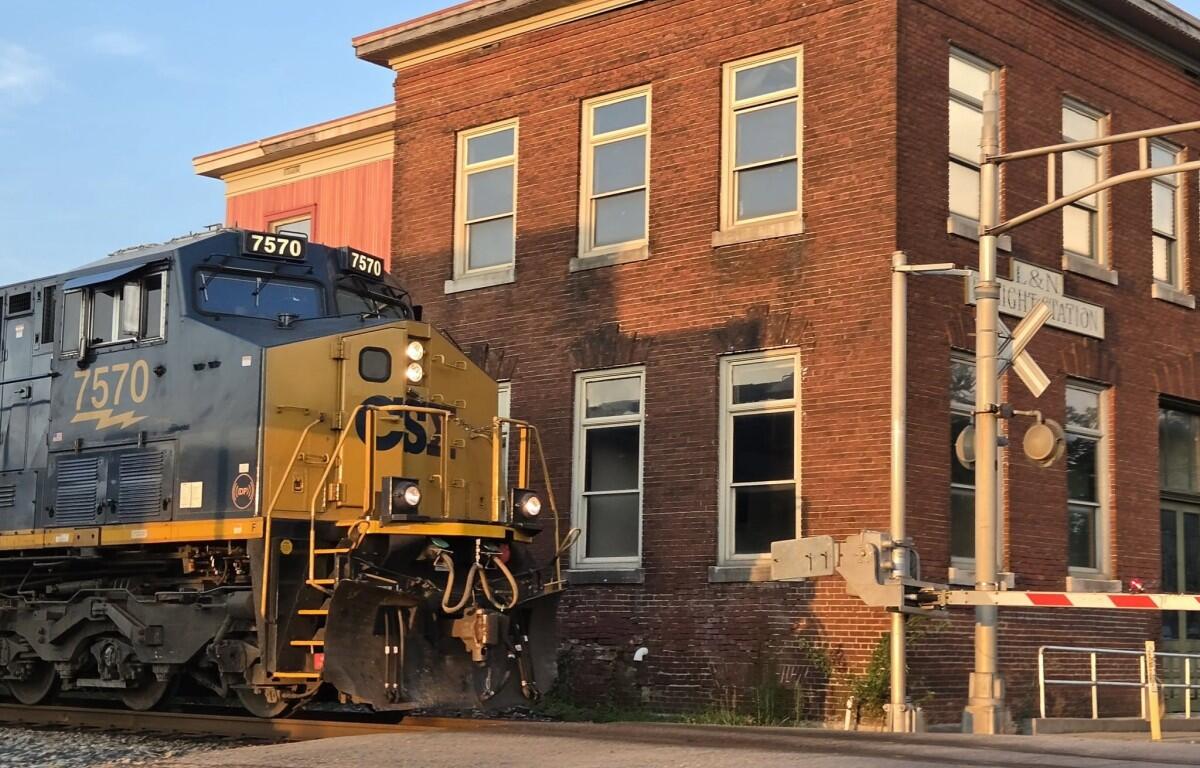

HOPKINSVILLE, KY (CHRISTIAN COUNTY NOW) – The City of Hopkinsville has over 200 years of history since it was founded in 1797, with dozens of historic homes and structures still standing across the downtown renaissance district.
Several bits of history have succumbed to demolition over the years, especially around the most trafficked area of downtown on East Ninth Street. Hopkinsville natives will fondly remember Lee’s Game Room, the Holland Opera House, the Phoenix Building, and the Rex Theater even though the buildings are not there anymore
Here are 10 historic buildings that have been preserved in Hopkinsville that Christian County Now has previously featured.
L&N Train Depot


The 100-year-old L&N Depot’s unique architecture and bright color invites people into downtown Hopkinsville. Also listed on the National Register for Historic Places, the rail line still frequently used by nearby industries while depot at one time served as a pedestrian stop for travel between other stations in Tennessee, Indiana and Kentucky. The depot was recently sold for redevelopment, with Railmark planning to create a headquarters for Train Travel, a train focused travel agency.
| RELATED STORY: Future of East 9th Street lot could reshape downtown Hopkinsville: ‘It is prime real estate’
Grace Episcopal Church


Fully constructed in 1884, the current Grace Episcopal Church has been a fixture in downtown Hopkinsville for 141 years. The structure’s dramatic gothic revival style and historical significance previously landed it on the National Register of Historic Places, with the building still dominating the landscape decades later despite tornado damage and modernization.
- READ MORE: Explore historic details of 141-year-old Grace Episcopal Church in downtown Hopkinsville | PHOTOS
Alhambra Theater


The theater opened in 1928, a year before the Great Depression, going strong in downtown Hopkinsville for nearly 100 years. From the beginning they presented live stage shows and silent movies. Since then, the theater has gone through multiple renovations all while maintaining the history of Alhambra and continuing to provide live entertainment through music, plays, performances and more.
Trice Castle


A retired musician and a kindergarten teacher are living in a story book fantasy as they continue to restore their historical home on South Main Street in Hopkinsville. John and Jeri Lynn Richardson are the proud owners of The Trice Castle, dedicating their time exploring the intricate legacy of the home, and sharing their knowledge with the community.
| RELATED STORY: Find snapshots of Black history throughout Hopkinsville year-round | PHOTOS
The Knight House


A couple from Middle Tennessee has connected their passion for history with their paranormal investigative skills while rehabbing a 200-year-old home on East Seventh Street in Hopkinsville. Eric Freeman Sims and his husband Rodger purchased The Knight House in April of 2024, and have been working to uncover the history of the people that lived and died in the home.
Attucks High School


Built in 1916, Attucks High School at 712 East First Street in Hopkinsville served as the first Black public school. In 1988 the school closed, leaving the building to deteriorate. Men 2 Be is infusing their mission of supporting and guiding Black youth by working to restore the abandoned campus for a community center.
- READ MORE: Push to restore Attucks High School continues, signs honoring historic figures installed | PHOTOS
| FIND US ON SOCIAL MEDIA: Follow Christian County Now on Facebook
Lone Oak

The Judge Joseph Crockett House, also known as Lone Oak, was built in 1835 and designed by New York architect Minard La Fever. The East 16th Street home has stood in downtown Hopkinsville through several historic events, angry mobs, and several property owners and is listed on the National Register for Historic Places.
| RELATED STORY: History that put Hopkinsville on the map: Night Riders, Kelly Green Men, Trail of Tears and more
St. Elmo Schoolhouse
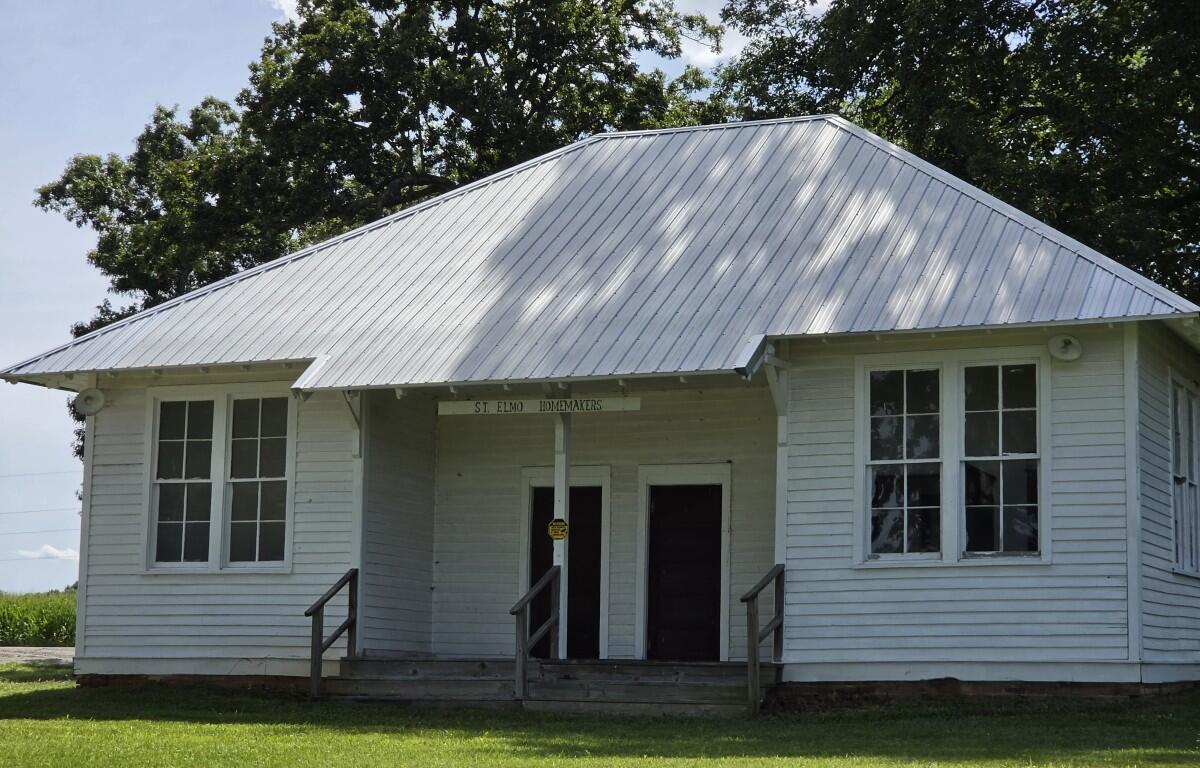
Built in 1898 near Gates Grocery Store on Pembroke Oak Grove Road, the historic schoolhouse was owned by the Christian County Board of Education until 1949 when the St. Elmo Homemakers Club purchased it for $1,625. Beginning in 1949, members of the Homemaker’s Club held cooking lessons, music classes, sewing classes, fashion lessons and more at the schoolhouse along with club meetings while continuing restoration efforts.
Virginia Park Grandstand


Tucked in the corner of East Ninth and South Campbell Street is the large green space of Virginia Park. The bandstand has been standing since 1909, with the park originally designed by the same architectural firm that designed New York City’s Central Park. The City of Hopkinsville recently gave the grandstand a facelift to refurbish the rotten wood, fix broken tiles and give it a fresh coat of paint.
The Dr. Bankie & Mamie Moore House
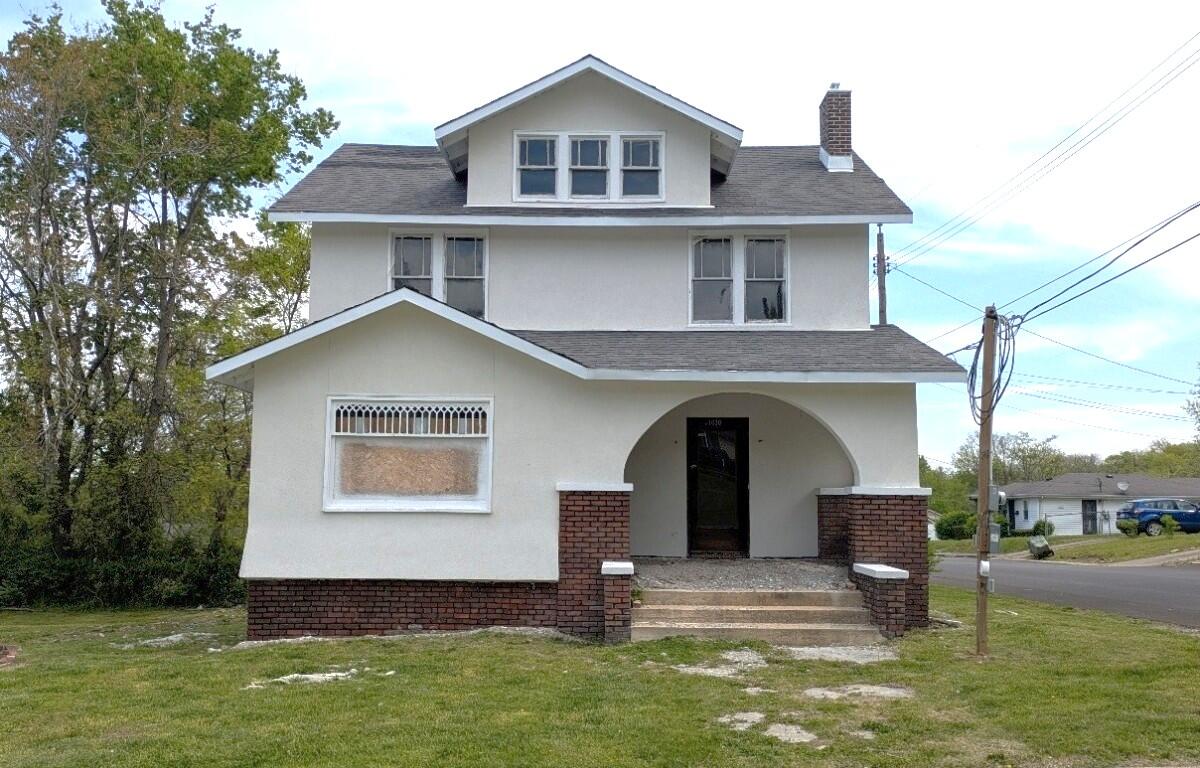
Located at 1030 East Fourth Street, the house was constructed between 1917 and 1920. The 2-½ story stuccoed structure was the longtime home of Dr. Bankie and Mamie Moore. Dr. Moore, a Christian County native, returned to Hopkinsville after graduating from Meharry Medical College in Nashville, Tennessee. He opened a private practice in 1914 to treat the local Black community. At the time, he was among the earliest African American doctors to practice in Hopkinsville and was notably the first Black native Christian Countian to do so. The house is currently owned by John Banks, Jr., who has worked diligently to save and restore the structure over the past few years.
| HOPKINSVILLE GUIDES: Find more info on things to do and local places to go.