


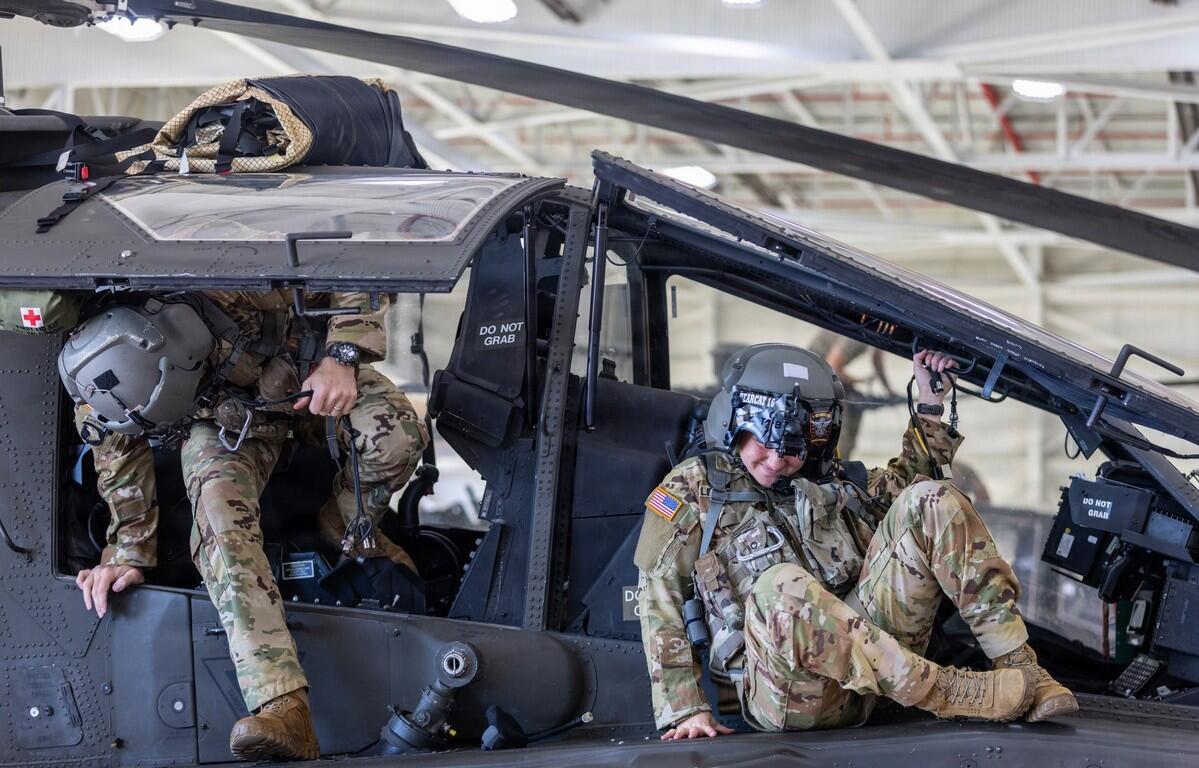

FORT CAMPBELL, KY – Today’s pilots endure the cold, heat, sand, and snow during prolonged flights supporting the ground force. As they press into enemy battle areas, the need to urinate remains a physiological limitation. However, AIRION, an aerospace medical systems company, seems to have found the solution with the Advanced Inflight Relief Universal System (AIRUS).
The 101st Combat Aviation Brigade completed the first-ever helicopter test flights using the AIRUS to examine its airworthiness for use on Army helicopters, Oct. 5-7.
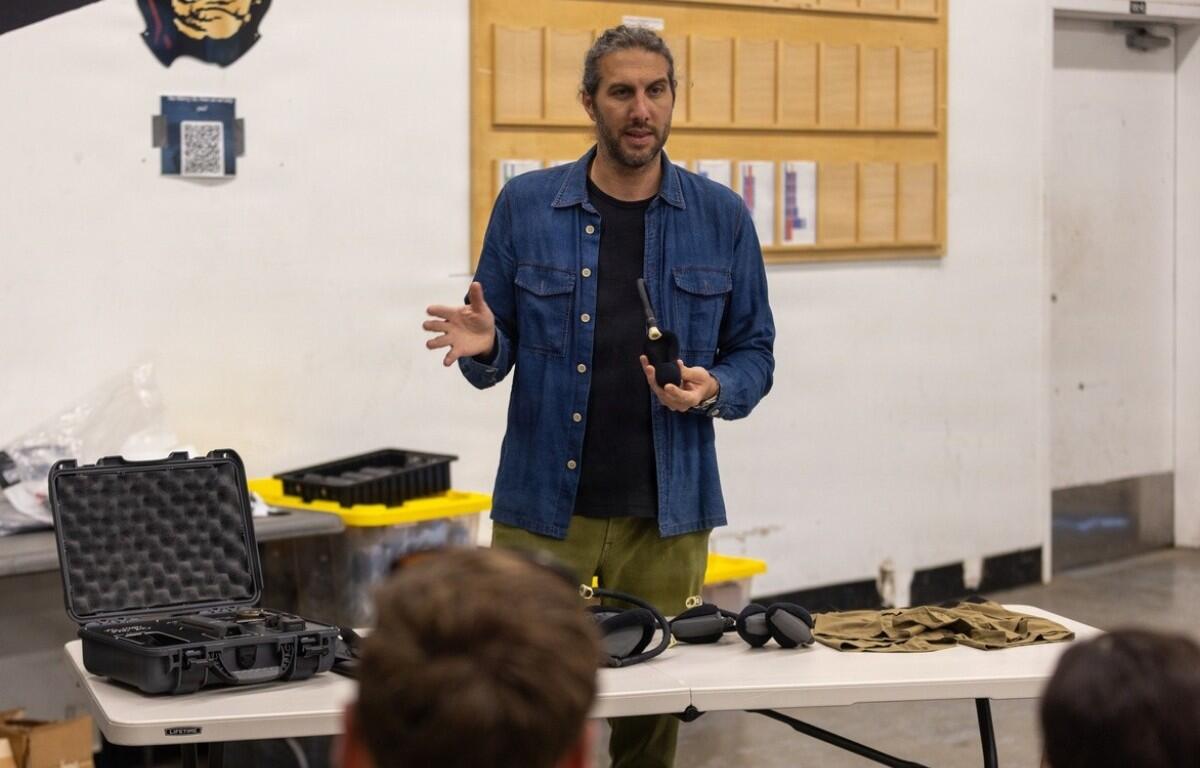
“We tested to get the system integrated into the Apache, Black Hawk, and Chinook helicopters,” said Colt Seman, founder and chief executive officer of AIRION. “The pilots were able to put on AIRUS, wear it, and be able to use it. It was comfortable, and it worked.”
First-time testing with Army helicopters
The testing marked a developmental milestone, transitioning the system into the Army’s rotary-wing fleet.
“We’re working with Boeing Starliner at NASA, the International Space Station team, and approved for every aircraft in the U.S. Air Force, but this was our first time testing with the Army and first time testing with helicopters,” said Seman.
Aircrews from 1-101 Attack Battalion “No Mercy”, 6-101 Assault Helicopter Battalion “Eagle Assault”, and 7-101 Heavy Lift Battalion “Eagle Lift” completed human factor surveys, checked the AIRUS for fit, and tested the AIRUS’s ability to let them relieve themselves in flight. The crews believe that the AIRUS will help them stay in the air longer.
“It’s different than the previous systems, which were just bags with coagulant inside of them,” said Chief Warrant Officer 2 Collin McAllister, a AH-64 Apache pilot who tested AIRUS. “As we look to fight in contested environments where we will need to stay a lot longer to support the ground force, this could be a great contribution.”
End to ‘tactical dehydration’
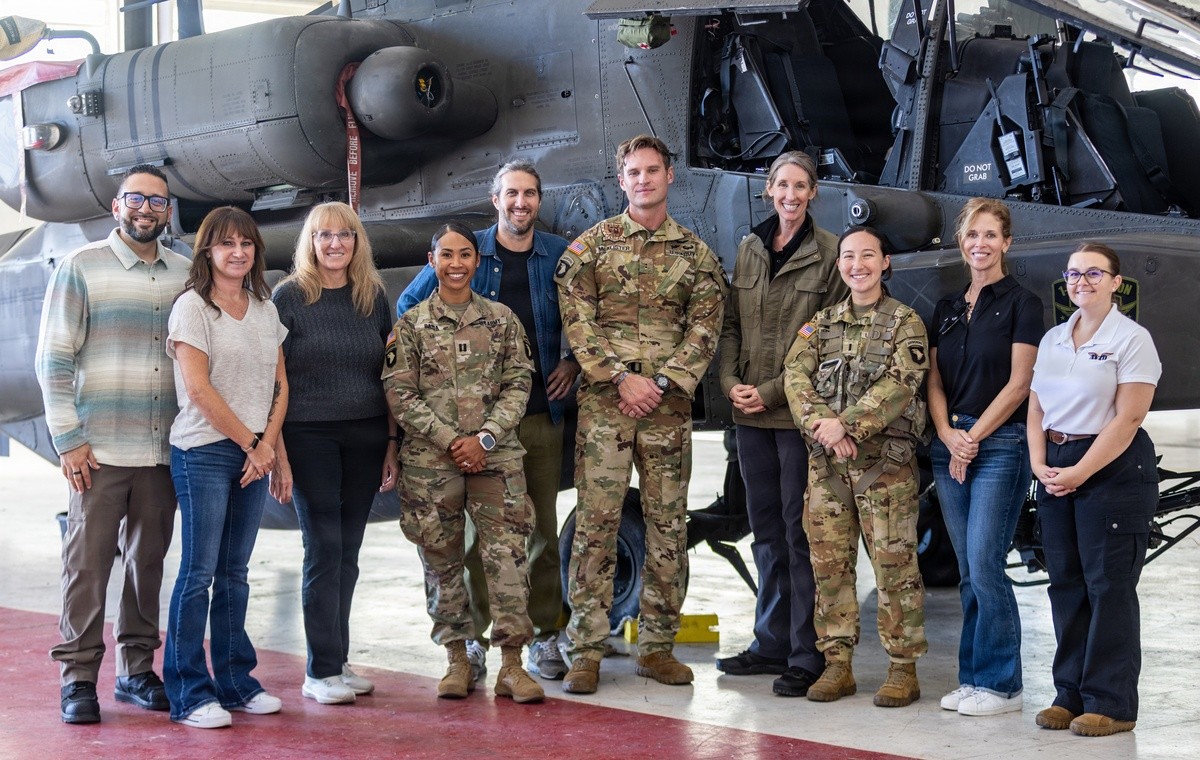
The 101st CAB Holistic Health and Fitness (H2F) team aims to maximize soldiers’ readiness and performance. The team sought out AIRION to help reduce the number of pilots purposefully dehydrating to limit the need for restroom breaks on mission.
“We had pilots tell us they tactically dehydrate,” said Capt. Gena Baisa, lead dietitian for the 101st CAB H2F. “So, we thought, how can we get a system specifically designed to allow them to use the bathroom in air so they can stay hydrated and optimize their performance? The AIRUS helps and improves cognitive function because they aren’t thinking about having to go to the bathroom the entire flight.”
| HOPKINSVILLE GUIDES: Find more info on things to do and local places to go.
Representatives from Redstone Arsenal observed the test to provide recommendations on AIRUS’s flight suitability. A critical aspect of the evaluation involved assessing how aircrews with different body types could move with the system.
“We tested AIRUS to see its airworthiness and started with egress testing,” said Elizabeth Rhonenus, a human factors engineer with the Aviation Flight Test Directorate. “We took our smallest participant around the fifth percentile and our largest around the ninety-fifth percentile and saw if they could get in and out of the aircraft safely.”
Train now so it’s ready when needed
The technical tests ensured that the AIRUS design could meet the operational demands of the aircrew members who will use the system in combat conditions.
“This product is ahead of the power curve; I think it’s important that people are thinking about aviators and that aircraft systems are continuously being developed,” said McAllister. “While we further the flight to remain aloft and stay with the ground force, this would be a great help.”
Looking forward, many are excited about the role AIRUS could possibly play for the future of Army aviation.
“AIRUS is the system that can break the issue of tactical dehydration,” said Seman. “Flight times are longer when deployed, and in a war with a near peer, short flights are not going to be realistic. Soldiers need to train on the system now so when something happens they are ready for it.”
“We are setting the foundation now to support the upcoming missions our Soldiers will face,” said Baisa. “Looking at L2A2 (Long Range Large Scale Air Assault) and the new MV-75 Cheyenne II helicopters’ ability to stay in flight longer, we want to improve Soldier readiness. The AIRUS is a capability that could help us achieve it across the enterprise.”
| FIND US ON SOCIAL MEDIA: Follow Christian County Now on Facebook