



HOPKINSVILLE, KY (CHRISTIAN COUNTY NOW) – The City of Hopkinsville is continuing discussions about how to best utilize over $700,000 that is available to help combat opioid addiction, with local programs consistently speaking up about a rising need.
“This crisis affects all of us. We all know somebody who has been addicted,” said City CFO Melissa Clayton, who held an in-depth presentation regarding the city’s opioid settlement money at the Hopkinsville Committee of the Whole meeting on March 19.
Settlement funds have strict use and can only be spent in according with Kentucky law. Money that is used without following the restrictions can result legal in action, with local governments responsible for continuous accountability and reporting of funds. Allowable use includes the following.
- Prevention: Media campaigns, school or youth-based programs.
- Recovery support: Supportive housing, wrap around services.
- Harm reduction: Syringe service programs, Narcan purchases.
- Treatment: Medication for opioid use disorder, access to treatment.
- Leadership/planning/coordination: Training and research.
Any interest earned on the funds also faces the same restrictions, with the city currently having a balance of $729,673.
The Christian County Fiscal Court receives settlement funds on a county level, and in the past, they have invested that money into services at the Christian County Jail that aim to provide resources for inmates impacted by addiction.
Where the money comes from
Across Kentucky, $980 million will be distributed over several years, guided by the Kentucky Opioid Abatement Advisory Commission. Of this nearly billion dollars, 50% of it will be absorbed into the KOAAC at the state level, and the other 50% will be allocated to local governments.
In 2021, the City of Hopkinsville passed an opioid allocation agreement, which is a 40-page document declaring that there was a local epidemic and the city wanted to participate in the lawsuit. The city was required to open a separate bank account to hold the funds, with the first deposit coming in December of 2022.
“Each lawsuit is different and I can’t say that enough. The payments come in related to the lawsuits and related to the legal agreements that they sign when the lawsuits are done,” Clayton said. Altogether, Hopkinsville will receive 0.5662% of the total settlement funds allocated to local government. This equates to around $2.8 million over the span of 20 years with each payment the result of a separate lawsuit.
| RELATED STORY: Community advocates push for funding to combat addiction in Hopkinsville: ‘Fentanyl is the new heroin’
City response, slow moving process
“We have been working. I know it’s been out there that maybe we have not,” said Clayton, clarifying that with the restrictions placed on the money and each specific payment, they wanted to ensure funds were used legally and effectively.
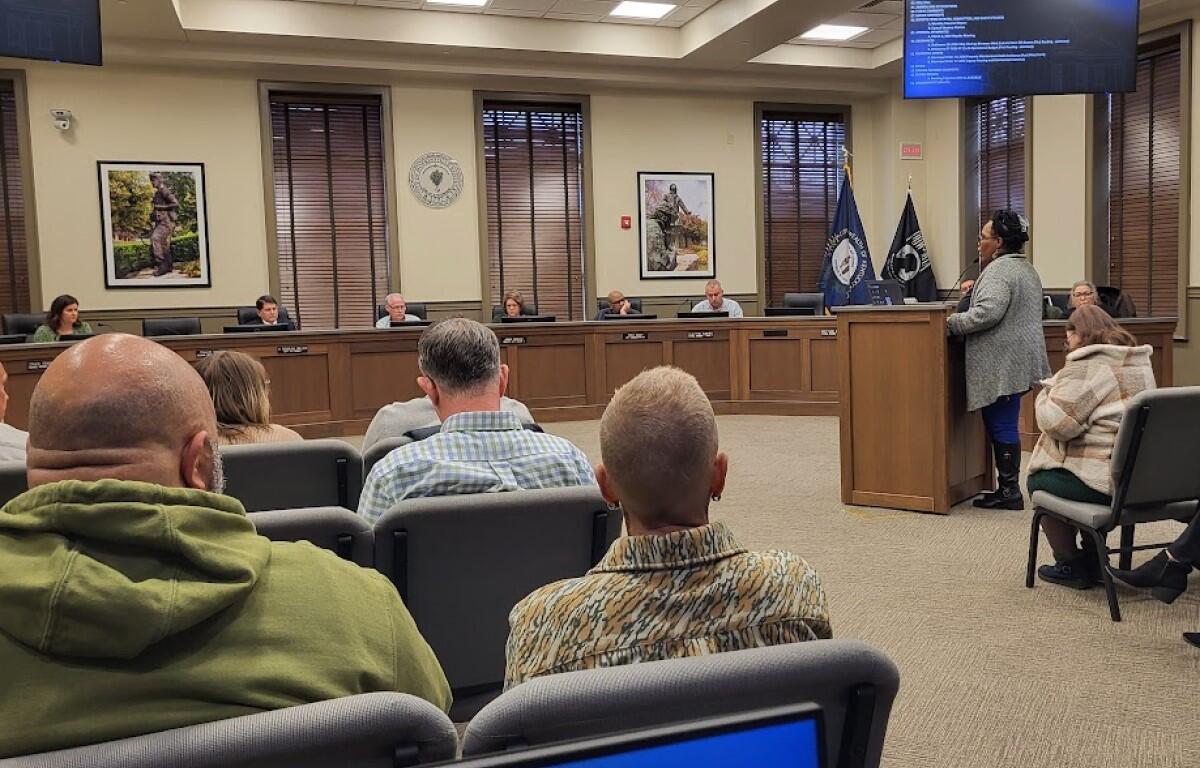
During the Hopkinsville City Council meeting two days prior, nine representatives from local programs and facilities that provide addiction services and support addressed the councilmembers about the stagnant funds. They provided emotional testimony and each pled for funding that would help them grow their reach and ability to help people impacted by opioid use in the community.
As discussed during the COTW meeting, in direct response to the epidemic, the city has been working with local emergency responders to discuss how to best aid the community. The idea to add a mobile medical unit has led to the city applying for a grant to use state opioid funds, not the banked funds, to help fund the project. If the grant money is not received, the cost will be added to the city budget for EMS.
Going into the next fiscal year, the Hopkinsville Police Department is requesting that the position of Opioid Officer be added to their budget as well as spectrometers and Narcan. The spectrometer tool allows officers to quickly scan and identify narcotics that they come across. All of these requests fall under allowable use for the settlement funds.
Where that leaves local initiatives, next steps
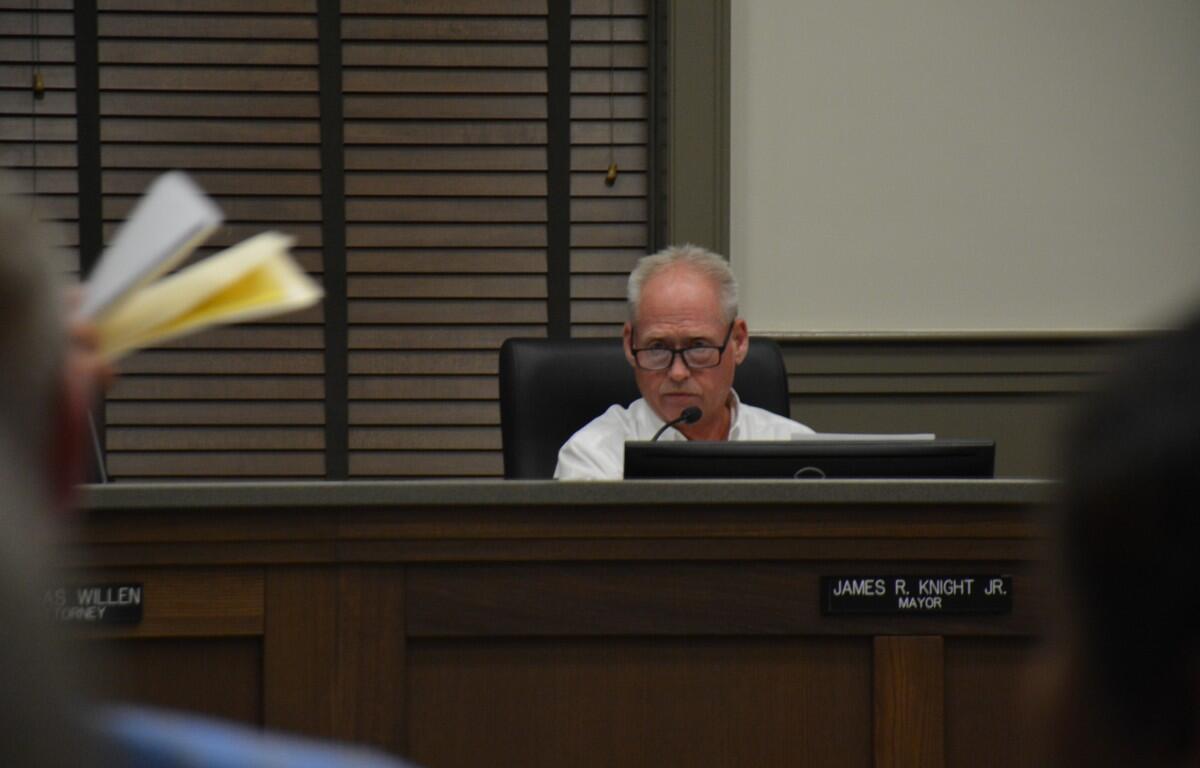
Current plans have not outlined a clear path to providing funding that will directly benefit local programs. During the COTW meeting, Mayor Knight said they have the option to establish a committee that can figure out the best way to allocate the funds locally, although he says he has a team of people who are evaluating the funds.
Distributing the funds locally may include a strict application process similar to how the Hoptown Helps program is run to distribute city grant funds to nonprofits.
“This can be a very time intensive for city staff…we are trying to expedite it as much as we can,” said City Attorney Doug Willen, who explained that the distribution of funds will have to include audits and a strict process to ensure they are used correctly. He added that they are collaborating with other city councils to find how best to move forward.
Clayton clarified that the city can currently expect about $100,000 to come in each year, on top of the existing funds. Most recently at the April 7 city council meeting, the city was in the initial stages of accepting another settlement.
For the upcoming fiscal year, allocation of opioid funds will be included in the budget for the city.
| DOWNLOAD THE APP: Sign up for our free Christian County Now app